'.$title.'
'.$add.'
'.$add.'
'.$add.'

By asking targeted questions, these chatbots can evaluate customer lifestyles, needs, and preferences, guiding them to the most suitable options. This interactive approach simplifies decision-making for customers, offering personalized recommendations akin to a knowledgeable advisor. For instance, Yellow.ai’s platform can power chatbots to dynamically adjust queries based on customer responses, ensuring a tailored advisory experience. Insurance chatbots, be it rule-based or AI-driven, are playing a crucial role in modernizing the insurance sector.

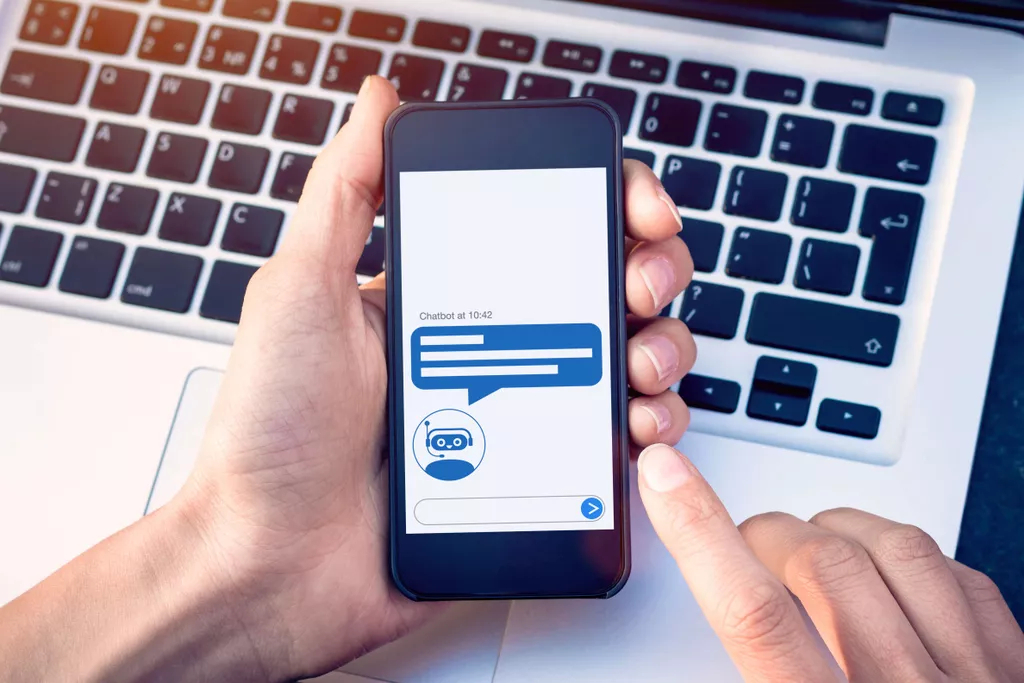
By tapping into this database, chatbots can offer highly detailed and relevant responses to a vast range of user inputs, leading to improved customer engagement and increased customer satisfaction. AI-driven insurance chatbots, by contrast, are designed and trained to handle a huge range of queries, tasks, and interactions. An insurance chatbot is a virtual assistant designed to serve insurance companies and their customers.
With GPT-powered insurance chatbots, the process becomes lightning-fast and hassle-free. Instead of wrestling with phone menus, customers can now conveniently file claims anytime, anywhere, by simply chatting with our AI Assistant on their smartphones. Seamlessly pulling up customer information from our database, these intelligent chatbots guide you through the claims process with unrivaled speed and efficiency. Experience the future of claims filing, where resolution is just a conversation away. They can free your customer service agents of repetitive tasks such as answering FAQs, guiding them through online forms, and processing simple claims.
Chatbots increase sales and can help insurance companies automate customer conversations. The bot responds to questions from customers and provides them with the correct answers. Thanks to advances in machine learning, the chatbot can answer not only simple questions but also more complex ones. Similarly, if your insurance chatbot can give personalized quotes and provide advice and information, they already have a basic outlook of the customer. But to upsell and cross-sell, you can also build your chatbot flow for each product and suggest other policies based on previous purchases and product interests.
Insurance providers are currently implementing AI technologies to help them select the optimal insurance options based on clients’ “digital profiles”. They help evaluate potential risks, send personalized messages to customers, and perform many other essential tasks. As a chatbot development company, Master of Code Global can assist in integrating chatbot into your insurance team. We use AI to automate repetitive tasks, thus saving both your time and resources. Our skilled team will design an AI chatbot to meet the specific needs of your customers. SWICA, a health insurance provider, has developed the IQ chatbot for customer support.
Integrate your chatbot with fraud detection software, and AI will detect fraudulent activity before you spend too many resources on processing and investigating the claim. Adding the stress of waiting hours or even days for insurance agents to get back to them, just worsens the situation. A chatbot is always there to assist a policyholder with filling in an FNOL, updating claim details, and tracking claims. It can also facilitate claim validation, evaluation, and settlement so your agents can focus on the complex tasks where human intelligence is more needed.
Natural language processing technology that powers AI virtual assistants is revolutionizing the interactions between insurers and customers. Conversational AI platforms enabled them to be available 24/7, offering prompt responses to inquiries and personalizing support to policyholders. Therefore it is safe to say that the capabilities of insurance chatbots will only expand in the upcoming years. Our prediction is that in 2023, most chatbots will incorporate more developed AI technology, turning them from mediators to advisors. Insurance chatbots will soon be insurance voice assistants using smart speakers and will incorporate advanced technologies like blockchain and IoT(internet of things).
I think it’s reasonable to assume that most, if not all, other insurance companies are looking at the technology as well. My own company, for example, has just launched a chatbot service to improve customer service. Conversational AI can also lead to increased sales for insurance companies.
The insurer’s blueprint for GenAI success Strategy&.
Posted: Thu, 07 Mar 2024 08:00:00 GMT [source]
If you enter a custom query, it’s likely to understand what you need and provide you with a relevant link. Another simple yet effective use case for an insurance chatbot is feedback collection. Let’s explore how these digital assistants are revolutionizing the insurance sector.
The swift processing allows customers to be more satisfied and ensures they remain committed to insurance companies even as they reduce administrative costs. With GPT-powered insurance chatbots, exceptional customer support is available 24/7. Urgent queries and policy predicaments no longer need to endure lengthy hold times. These AI Assistants swiftly respond to customer needs, providing instant solutions and resolving issues at the speed of conversation.
Many customers contact their insurance provider during a stressful situation, which limits their patience for frustrating chatbot interactions. Receiving compassionate and efficient treatment, whether from a human agent or an AI, is particularly important. A report by Deloitte projects that empathy will become the key value in the insurance industry with the rise of automation. This is especially true in health insurance –83% of healthcare organizations have already implemented an Artificial Intelligence strategy, and more are developing one [4]. By automating up to 80% of routine queries, these chatbots exponentially scale your support capacity without the need for extra resources.

For brokers, insurance chatbots streamline communication, enabling them to quickly access policy information, generate quotes, and facilitate transactions on behalf of their clients. Read this article to learn what insurance chatbots are, what to use them for, and how they can benefit both your insurance company and your clients. With our new advanced features, you can enhance the communication experience with your customers. Our chatbot can understand natural language and provides contextual responses, this makes it easier to chat with your customers. Gradually, the chatbot can store and analyse data, and provide personalized recommendations to your customers.
You can book a free custom AI demo today to experience the power of AiseraGPT and Gen AI platform for your enterprise. A chatbot for insurance can help consumers file claims, collect information, and guide them through the process. Nearly half (44%) of customers find chatbots to be a good way to process claims. AI-powered chatbots can act as the forefront security for insurance companies by analyzing claims data, verifying policyholder information, and preventing fraudulent submissions. AI chatbots are equipped with machine learning algorithms that can analyze customer data and preferences to offer personalized insurance recommendations. By understanding customers’ individual needs, chatbots can suggest the most suitable insurance products, such as life insurance for young families or promoting travel insurance to frequent flyers.
Chatbots are a valuable tool for insurance companies that are looking to increase customer acquisition. They can help to speed up the lead generation process and gather more Chat PG relevant information from prospects. When chatbots can quickly handle customer questions and routine requests, they produce significant operating expense reductions.
However, it’s important to start small and scale up as the chatbot becomes more accurate. Chatbots can leverage recommendation systems which leverage machine learning to predict which insurance policies the customer is more likely to buy. Based on the collected data and insights about the customer, the chatbot can create cross-selling opportunities through the conversation and offer customer’s relevant solutions. With quality chatbot software, you don’t need to worry that your customer data will leak. If you build a sophisticated automated workflow, you don’t have to give your employees access to customers’ sensitive data — your chatbot will process it all by itself. Ensuring chatbot data privacy is a must for insurance companies turning to the self-service support technology.
This facilitates data collection and activity tracking, as nearly 7 out of 10 consumers say they would share their personal data in exchange for lower prices from insurers. AI chatbots can be fed with information on insurers’ policies and products, as well as common insurance issues, and integrated with various sources (such as an insurance knowledge base). They instantly, reliably, and accurately chatbot use cases insurance reply to frequently asked questions, and can proactively reach out at key points. Thus, customer expectations are apparently in favor of chatbots for insurance customers. SWICA, a health insurance company, has built a very sophisticated chatbot for customer service. Sixty-four percent of agents using AI chatbots and digital assistants are able to spend most of their time solving complex problems.
Witness the game-changing impact of Haptik’s insurance chatbot as Kotak Life leads the way in redefining customer satisfaction. Maya and Jim’s ability to complete processes has eliminated the need for paperwork and has shortened Lemonade’s payout time. Maya ensures customers are paid within 3 minutes and insured within 90 seconds. After interacting with the two chatbots, Lemonade customers are happy with their conversational https://chat.openai.com/ experience, with a satisfaction score of 4.53 out of 5 stars. In essence, insurance chatbots can be viewed as versatile virtual assistants capable of helping all customers and stakeholders involved in the insurance ecosystem. And for that, one has to transform with technology.Which is why insurers and insurtechs, worldwide, are investing in AI-powered insurance chatbots to perfect customer experience.
This makes sure no customer is left unanswered and allows the customer to connect to a live agent if required, keeping customers satisfied at all times. While exact numbers vary, a growing number of insurance companies globally are adopting chatbots. The need for efficient customer service and operational agility drives this trend. A key application of conversational AI is in the customer support department. AI-powered enterprise chatbots can handle basic inquiries and provide real-time support. Claims data can be interpreted, policy details verified or payout decisions made through AI-based solutions that employ natural language processing and machine learning.
Starting from providing sufficient onboarding information, asking the right questions to collect data and provide better options and answering all frequent questions that customers ask. Instant satisfaction in customers triggers an increase in sales, giving the insurer the time and opportunity to focus on other facets to improve overall efficiency instead. The most obvious use case for a chatbot is handling frequently asked questions. A virtual assistant answers prospects’ and customers’ questions, triggers troubleshooting scenarios, and collects data for human agents to resolve complex issues.
You can also program your chatbots to provide simplified answers to complex insurance questions. It also reduces response times when customers ask about your policies, file a claim, report changes, or schedule appointments. And if you’re worried that an automated assistant might seem cold and impersonal, think again. Built on the right platform, your insurance chatbot can tailor any interaction based on a customer’s brand loyalty, demographics, previous purchases, conversation history, and more.
Here are some key factors to consider when choosing the right conversational AI platform. Modern technologies and software solutions in insurance are necessary components for the development of companies working in this niche. Artificial Intelligence stands out in this regard, as it is not yet widely used, and many business sectors are just beginning to realize its practical potential. Kotak Life’s omnichannel revolution is reshaping the insurance landscape, powered by Haptik’s cutting-edge solution.
Insurance chatbots collect information about the finances, properties, vehicles, previous policies, and current status to provide advice on suggested plans and insurance claims. They can also push promotions and upsell and cross-sell policies at the right time. A potential customer has a lot of questions about insurance policies, and rightfully so. Before spending their money, they need to have a holistic view of the policy options, terms and conditions, and claims processes. From capturing relevant information to fraud detection and status updates, chatbots help automate and streamline claims processing. By digitally engaging visitors on your company website or app, insurance chatbots can provide guidance that’s tailored to their needs.
Additionally, there is inequality in modern societies that is reflected in the data used to train the models. When interacting with minority clients, certain conversational AI models may suggest discriminatory pricing or provide less accurate health information. Insurers must conduct thorough audits of their data to identify and correct biases and implement strategies for equitable data collection and AI model training. This involves engaging with diverse teams and external experts, regularly testing for fairness, and providing ongoing employee training in recognizing and mitigating bias. It has limitations, such as errors, biases, inability to grasp context/nuance and ethical issues. Insider also pointed out that AI’s “rapid rise” means regulation is currently behind the curve.
By providing 24/7 customer service, chatbots can help insurance companies to meet the needs of today’s customers. Fraudulent activities have a substantial impact on an insurance company’s financial situation which cost over 80 billion dollars annually in the U.S. alone. AI-enabled chatbots can review claims, verify policy details and pass it through a fraud detection algorithm before sending payment instructions to the bank to proceed with the claim settlement. Salesforce is the CRM market leader and Salesforce Contact Genie enables multi-channel live chat supported by AI-driven assistants.
In the insurance industry that’s especially important because carriers are under increased pressure to reduce expenses wherever possible in a volatile economic climate. If you are ready to implement conversational AI and chatbots in your business, you can identify the top vendors using our data-rich vendor list on voice AI or conversational AI platforms. The platform offers a comprehensive toolkit for automating insurance processes and customer interactions.
It can also be used to create a report for a phone call made by an employee. It automatically transcribes the call and logs detailed information about customer interaction, such as the call duration, issues discussed, resolutions provided, and any follow-up actions required. Conversational AI systems are more than just chatbots with a language interface. They can understand context, handle complex situations, and adapt their responses to meet user needs. Choosing the right conversational AI platform can make the difference between a successful implementation and an unsuccessful one. It is crucial to evaluate different platforms based on these factors to ensure the most comprehensive conversational AI solution for the insurance industry.
Zurich Insurance, a global insurance powerhouse, embraced Haptik’s conversational solution, Zuri, with remarkable results. Harnessing the power of AI, Zuri drove Zurich’s key business objectives, delivering tangible impact. With an impressive 84% automation rate, query resolution skyrocketed by up to 70%, while engaging website visitors surged by a remarkable 10%. Witness the transformative power of Haptik’s insurance chatbot as Zurich Insurance redefines customer experience and sets new industry standards.
How AI could change insurance.
Posted: Thu, 23 Nov 2023 05:03:31 GMT [source]
Consider this blog a guide to understanding the value of chatbots for insurance and why it is the best choice for improving customer experience and operational efficiency. Insurance chatbots can also provide all the supporting details a new customer needs to sign up and proceed with the client onboarding process or help existing policyholders upgrade their plans. AI chatbots act as a guide and let customers keep in control of their buyer journey. They can push promotions in a specific timeframe and recommend or upsell insurance plans by making suitable suggestions at exactly the right moment.
Providing 24/7 assistance, bots can save clients time and reduce frustration. Fraudulent claims are a big problem in the insurance industry, costing US companies over $40 billion annually. Customer support has become quite the competitive edge in the insurance industry. The existing customers that have an account with you will have different questions as compared to a potential customer who’s still learning about the product. Conventionally, claims processing requires agents to manually gather and transfer information from multiple documents. If you’re also wondering how chatbots can help insurance companies, you’re at the right place.
Chatbots can facilitate insurance payment processes, from providing reminders to assisting customers with transaction queries. You can foun additiona information about ai customer service and artificial intelligence and NLP. By handling payment-related queries, chatbots reduce the workload on human agents and streamline financial transactions, enhancing overall operational efficiency. Rule-based chatbots in insurance operate on predefined rules and workflows.
If you’re looking for a way to improve the productivity of your employees, implementing a chatbot should be your first step. In combination with powerful insurance technology, AI chatbots facilitate underwriting, customer support, fraud detection, and various other insurance operations. Seeking to automate repeatable processes in your insurance business, you must have heard of insurance chatbots. Unlike their rule-based counterparts, they leverage Artificial Intelligence (AI) to understand and respond to a broader range of customer interactions. These chatbots are trained to comprehend the nuances of human conversation, including context, intent, and even sentiment.
]]>
Why have you not mentioned any chatbots like botpenguin so that anybody can avail of all these benefits directly on a single platform. Talking to different customer service representatives of even the same entity could result in discrepancies and inconsistencies in answers. The agent the customer talks to might be new at their job and might not have had the best on-boarding session. Or they could just be having Chat PG a tough day at work and cannot give all their attention to the customer, thus providing a different answer than the one the customer was expecting. B2B and B2Bot platforms such as WeChat or Facebook Messenger are some of the most popular messaging apps. Being continuously active on these platforms helps companies reach new customers who may otherwise not want to reach out to the company with an email or call.
Powered by platforms like Yellow.ai, these chatbots move beyond generic responses, offering personalized and intuitive engagements. They understand customer needs through machine learning, refining their interactions based on accumulated data. This proactive and tailored approach ensures that brands remain top-of-mind and are perceived as attentive, responsive, and deeply committed to customer satisfaction. Moreover, customer service chatbots continually evolve and learn from each interaction, enhancing their performance over time.
Chatbots swiftly gather requirements to create profiles, answer property availability questions and schedule appointments. They also inquire about clients’ property preferences during profile creation to foster deeper relationships. AI can pass these details to the agent, giving them additional context that helps them determine how to handle an interaction after handoff.
Additionally, choosing a no-code, click-to-configure bot builder, like the one offered by Zendesk, lets you start creating chatbot conversations in minutes. Zendesk bots come pre-trained for customer service, saving hours from manual setup. In order to thrive, businesses need to keep costs under control while delivering more value.
You can program the bots into as many languages as the vendor offers. You can meet customer expectations from many regions of the world by helping them out in their native language. This helps the client to explain their issues clearer and get useful support.
Chatbots help in resolving these and improving other important sales, marketing and customer support functions. Of the things that you said, what got me was the idea that chatbots will never lose patience and will constantly offer assistance to a client as long as they are needed. If that is the case, then I think we need that for the business since we are focused mainly on interactions and we sometimes provide training. If we aim for 100% success, we need to utilize the abilities of someone, or something, that does not lose patience.
They handle repetitive tasks, respond to general questions, and offer self-service options, helping customers find the answers they need. This allows agents to focus their expertise on complex issues or requests that require a human touch. AI Chatbots go a step further, making these interactions more dynamic and personalized.
This allows your customer support team to concentrate on more complex queries. Another advantage of a chatbot is that it can qualify your leads before sending them to your sales agents or the service team. A bot can ask questions related to the customer journey and identify which leads fit which of your offerings. Chatbots that use artificial intelligence, natural language processing (NLP), and machine learning understand a variety of keywords and phrases and learn from the visitor’s input.

AI-powered chatbots have emerged as crucial tools for online businesses, transcending traditional chatbots with their advanced capabilities. You can walk through the process of how a chatbot can help a support agent in managing queries. When businesses are launching new product features, growing their customer base, and entering new geographies, they are bound to have a rapid surge in customer queries. Taken as a whole, chatbots’ cost saving potential make them an alluring addition to any enterprise. Research has found out that the cost savings from using chatbots in the banking industry was estimated to be at $209M in 2019, and will reach $7.3B globally by 2023.
Chatbots also empower you to elevate your brand value by capturing customer attention through past interactions. You can easily collect and analyze customer feedback, and then use it to effectively communicate to the right people in the right manner. As chatbots are able to predict customer behavior, you can use them to send https://chat.openai.com/ the right notifications to the right people, every single time. AI-powered chatbots are a combination of the other two kinds of bots. These bots use ML, AI, and NLP to understand and remember the context of the conversation and the user’s preferences. Because of that, users may feel uneasy about communicating with a chatbot.
This facilitates greater customer satisfaction as people can get help without waiting around for a reply to an email or voicemail. Live chat functions seamlessly on all devices, and even on popular messaging apps like auto reply on Facebook Messenger. Reports that humans have an attention span akin to a goldfish are widespread, and while it may not be conclusive, the fact remains how people interact with brands is changing. These all have a direct line to too much work and not enough impact. Employees that are forced to juggle many chats simultaneously and answer the same queries day in and day out are likely to experience all of the above emotions.
This process does not have to be a headache if you know the tool and use it to your advantage. For example, our solution has a Training section, where you can teach the chatbot new content to improve customer satisfaction using any queries that have not been answered. Today’s AI-based solutions, such as those offered by Aivo, allow you to create a personality for your chatbot and make conversations adapt to the context. You can even teach the chatbot to show empathy based on specific messages or include evasive responses and learn from each interaction. Your chatbot can be the perfect partner to promote new products and send proactive notifications to anticipate the needs of your customers.
These questions can also prequalify customers before transferring them to your sales team, enabling salespeople to promptly determine their goals and the appropriate strategy to use. Enterprise-grade chatbots can record customer conversations and all relevant details. When a chat is transferred to your customer service team, customers won’t need to answer the same time-consuming questions again. This results in reduced frustration and annoyance for your customers.
With over 100 plug-and-play integrations, one-click wonders are a tangible reality, enabling your business to soar by blending the prowess of automation and live agent support. First of all, decide whether your bot should use formal or informal language and set the tone that matches your brand. Then, create a wireframe of the chatbot story that includes engaging characteristics. After that, find a unique chatbot icon that will fit your brand and ensure it’s clearly showing that this is a bot. Last but not least, create a great first impression by greeting your clients with a warm welcome message. So, you’ve seen all the advantages and disadvantages of chatbots in depth.
You can foun additiona information about ai customer service and artificial intelligence and NLP. For instance, for a business dealing in customized solutions, the bot might ask, “What are you primarily looking for?. ” Based on the response, not only is the user directed to relevant offerings, but the sales team receives a lead already primed for conversion. The future of lead generation isn’t just about quantity but quality, and Yellow.ai is paving that path. And chatbots provide instant responses to help customers with simple questions right there and then. This helps to decrease the waiting time for your customer support down to a couple of seconds. To enjoy these benefits, you need IBM watsonx Assistant, an enterprise-grade AI-powered chatbot platform.
The chatbot needs to be fed new and meaningful data (i.e. content) that can answer customer questions and queries. Everybody knows that conversational chatbots services have revolutionized customer service. According to a study of Gartner, in the next two years, 38% of organizations will plan to implement a chatbot. Anyone can have a bad day, which might cause customer service agents to react in ways they might later regret.
Chatbots don’t just offer seamless customer support and product recommendations, they also help you sell more, and faster. They have improved so much that they can now even facilitate payments. Around 37% of customers and 48% of millennials are eager to purchase via chatbots.
They chat with clients naturally and offer an interactive one-on-one experience. They can also provide personalized product and service recommendations based on the visitor’s responses. Customer service managers can deploy chatbots to increase productivity and efficiency. Because chatbots can handle simple tasks, they act as additional support agents.
One research predicts that the chatbot market will go from 190.8 million USD in 2016 to around 1.25 billion USD by 2025. The potential for AI-powered chatbots is almost limitless, which makes them an incredible addition to any business. The same survey also discovered that 79% of people prefer live chat over other channels, and 55% would choose to use chatbots if it was available.
Businesses can also deploy chatbots to offer self-service resources for new employees, helping new hires assimilate more easily into your company culture. HR and IT chatbots can help new hires access information about organizational policies and provide answers to common questions. When bots step in to handle the first interaction, they eliminate wait times with instant support.
They can answer questions in the language of the customer, allowing them to feel comfortable asking any questions. Implementing chatbots is much cheaper than hiring ai chatbot benefits and training human resources. A human can attend to only one or two customers at a time, but a chatbot can engage with thousands of customers simultaneously.
Bots can improve customer engagement by making the experience more interactive. Instead of browsing around your ecommerce, your clients can engage with the chatbot and get personalized support. From financial benefits of chatbots to improving the customer satisfaction of your clients, chatbots can help you grow your business while keeping your clients happy.
For instance, website visitors may know more about your products than someone who visits your social media for the first time. One of the benefits of chatbots is that they can take over a lot of tedious, repetitive tasks that are currently performed by customer support staff. Lastly, AI chatbots are scalable at a fraction of the cost of customer support teams.
I do believe that the AI-driven technology Chatbots is becoming more and more meaningful to brands and even individuals. A unique way to engage with brands and get your questions answered without getting on long wait calls. It allows you to build, manage, integrate, train, analyze and publish your personalized bot in a matter of minutes. Customer care chatbots are always on standby, ready to answer customer queries at any time, unlike human agents. It ensures businesses can provide the convenient 24/7 customer care support that modern consumers expect, all while doing so more quickly and cost-effectively.
Chatbots are available 24×7 and can respond to your customers instantly. This means that whenever they message you for any reason, they’ll be able to get a response immediately. As a result, they’ll be satisfied with your brand and you, on the other hand, will be able to move them along your sales funnel. Customers often look for immediate support related to your software. However, when they contact your support team, they have to wait in queues because your agents are likely busy assisting other customers. Gartner predicts chatbot SaaS will become the primary customer service channel by 2027.
Ten trends every CX leader needs to know in the era of intelligent CX, a seismic shift that will be powered by AI, automation, and data analytics.
All you need is a smart tool like Chatsimple’s AI sales chatbot, and you can unlock whole different levels of growth. Chatbots can promote your software, offer product trials, and help you increase sales. When you launch a new version of your software, chatbots can discuss its features when conversing with customers. Chatbots for SaaS startups can also ask customers to book meetings, follow you on social media, or submit feedback.
It will also help you determine which of the problems are the most pressing and therefore should be first when you’re making your bots. Before you implement your first chatbot, you should make a list of your company’s issues that you want the bot to solve. Organize them by topic and write down everything you’re struggling with. Even though it might seem like it, chatbots are not all rainbows and unicorns. And you should be aware of those when thinking about implementing bots into your business.
The top reasons for leaving were employee burnout, dissatisfaction with the job, and poor work-life balance. You don’t have enough manpower to initiate communication with all of your website visitors. G2 Crowd recognizes Aivo as Leader in the Chatbots software category.

In this context, AI chatbots are a harmonizing tool, bridging various platforms and applications under a unified, intelligent interface. But while they all promise ease, the essence lies in the simplicity of going live without extensive training, excessive costs, or a steep learning curve. Through methodically assessing this data, businesses uncover patterns and themes, offering a veritable roadmap to elevating their offerings and crafting genuinely consumer-centric strategies. The dialogue with your customers thus becomes a strategic tool, quietly fine-tuning your business in the backdrop of every interaction. A benefit of a chatbot is that bots can entertain and engage your audience while helping them out. This engagement can keep people on your website for longer, improve SEO, and improve the customer care you provide to the users.
According to Juniper research, industries like retail, banking, and healthcare can save up to $11 billion annually through chatbot adoption. By integrating solutions like Yellow.ai’s advanced chatbots, businesses aren’t just streamlining operations but are also significantly enhancing their bottom line. That means they only respond to clients but never initiate the interaction. And about 68% of shoppers have a more favorable view of brands that offer proactive customer service. It can automate day-to-day tasks that include everything from answering FAQs to booking appointments.
Most of them won’t probably have everything your business requires. This can lead to you having to implement a number of other third-party services to your website to get the result you want. Before you start enjoying any of the benefits, you need to spend some time setting the chatbots up. They can be tricky to install and set up, especially if the bot is complex.
Your chatbot can send strategically timed notifications, nudging visitors with ongoing offers or sharing pivotal company news that could influence purchasing decisions. You should decide which channels you want to implement your chatbot onto. You can implement Facebook Messenger bots onto your social media page, so your clients can easily find the chat. You can also choose a solution that lets you implement a chatbot on many platforms, such as your social media, WhatsApp, and your website. Different providers offer a variety of functionalities with the chatbot.
This exploration shows chatbots’ potential to improve customer service, streamline processes, and meet modern customer demands. They are required to boost engagement, automate support, and transform the customer experience. Chatbots have risen as dynamic assets, rewriting the playbook for how businesses engage with their customers and fulfill their objectives.
Interactions between chatbots and consumers are becoming a standard business practice that helps create a better customer experience. But it’s not simply a tool to benefit the customer—it also boosts the agent experience. Here are a few ways businesses benefit from implementing chatbots. Customers understand that bots collect personal data but want them to use it to create a better customer experience. According to our CX Trends Report, 59 percent of consumers who interact with chatbots expect their data will be used to personalize future interactions with a brand. Photobucket, a media hosting service, uses chatbots to provide 24/7 support to international customers who might need help outside of regular business hours.
Multilingual chatbots foster a sense of inclusivity and accessibility, cultivating strong customer relationships. A customer service chatbot lowers the response time by automating a system to manage repetitive tasks. Their seamless integration with existing workflow management systems further enhances operational efficiency by streamlining processes and reducing manual intervention. A chatbot can access the history of your interactions with the company to deliver a personalized experience. Given the relative immaturity of chatbots, this is not a focus area for most companies now but will be an important part of future chatbots.
How Chatbots Can Help Grow Your Small Business.
Posted: Fri, 03 May 2024 12:14:21 GMT [source]
They allow you to find out what their most common questions and needs are, as well as the products or services that interest them. They help you make strategic decisions to improve the experience and offer a more personalized service with each interaction. Chatbots present the option to reduce 24×7 staffing expenses or even eliminate after-hours staffing costs, provided your chatbots can effectively handle most questions.
Before designing your chatbot, clearly outline its role and functionality. Remember to keep the conversations as natural and human-like as possible. These examples demonstrate the versatility and effectiveness of AI-Powered Chatbots in enhancing customer experience across different business sectors.
Chatbots are getting better at gauging the sentiment behind the words people use. They can pick up on nuances in language to detect and understand customer emotions and provide appropriate customer care based on those insights. In our CX Trends Report, 37 percent of agents surveyed said that customers become visibly frustrated or stressed when they can’t complete simple tasks on their own. Chatbots can help mitigate that by providing self-service options so customers can take care of basic issues independently or quickly find information when it’s most convenient. AI chatbots are effective in digital interaction, combining the basic functionality of chatbots with advanced artificial intelligence to simulate and enhance human conversation. Chatbots have sparked a revolution, reshaping how businesses and institutions connect with their customer base.

You can optimize processes that previously relied on human interaction, benefiting your staff by improving their user experiences with customers and reducing employee turnover. With chatbots, businesses can try out different kinds of messaging to see what works best. With some chatbot platforms, you can set up A/B tests that show consumers different variations of the conversational experience.
Cem’s work in Hypatos was covered by leading technology publications like TechCrunch and Business Insider. Enhance game support with seamless, real-time problem resolution. These jobs can be dull and draining for people, but a bot will never complain, not even when a customer gets frustrated or belligerent. The chatbot market size is expected to grow from $2.6 billion in 2019 to $9.4 billion by 2024 at a compound annual growth rate (CAGR) of 29.7%.
]]>